
Getting around
بس
کہاں تک؟
Where to?
You hear this when the doors close or the next stop is called. It is written down too, so a missed word does not end the ride.
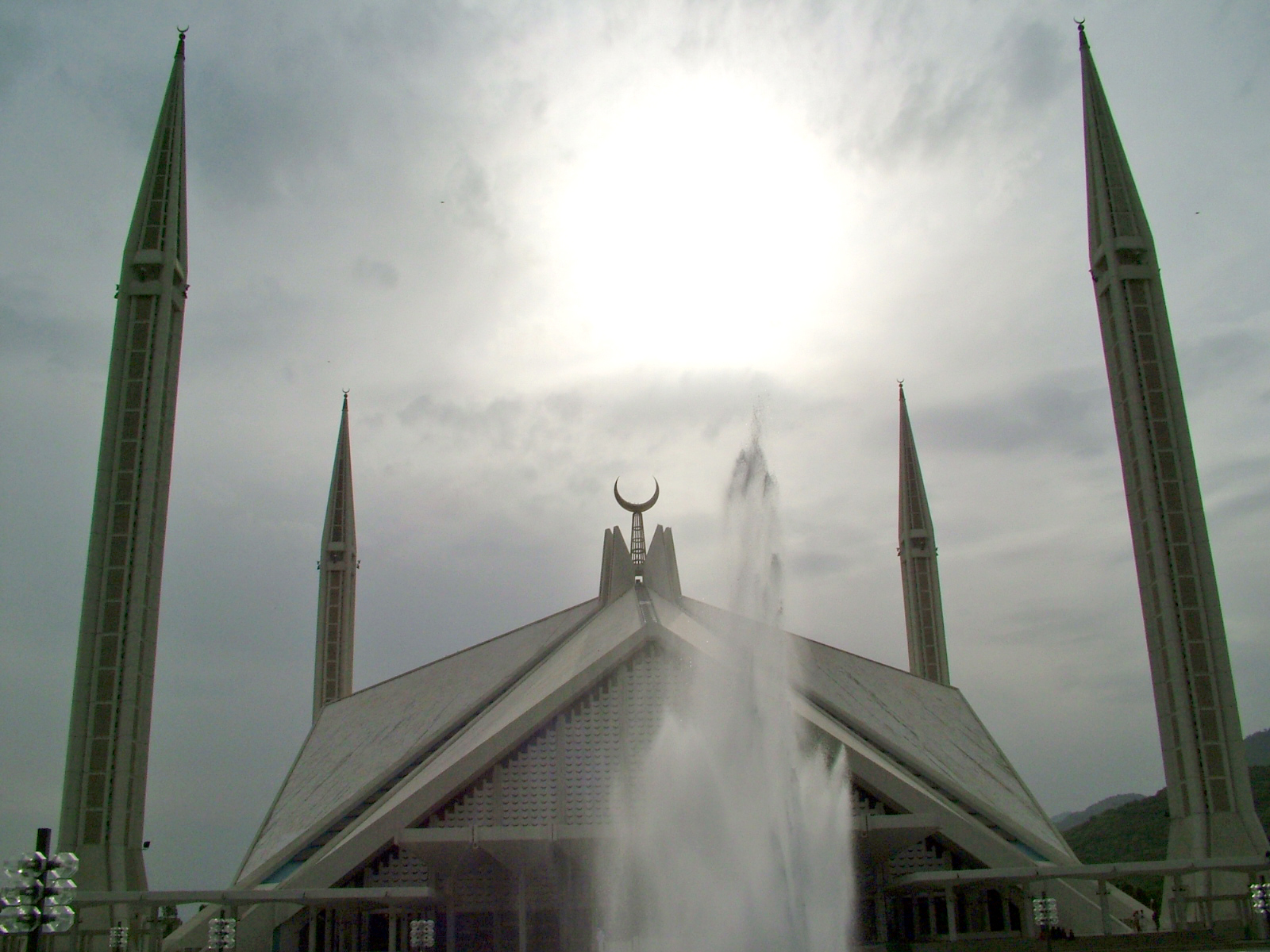
Urdu is the language of much public life. Government work uses English. Punjabi and Pashto are also present.
Ordinary lines from this city: the ride, the counter, the food, and the greeting.
Getting around
بس
کہاں تک؟
Where to?
You hear this when the doors close or the next stop is called. It is written down too, so a missed word does not end the ride.
The counter
دفتر
Good morning.
Good morning.
This line is a whole order. You do not need a longer sentence.
Food
دکان
ایک چائے.
One tea.
The order is built in short pieces like this one.
The street
سڑک
السلام علیکم.
Hello.
People keep this line short. It is enough for the moment.
Urdu covers much of public life. You also hear English, Punjabi and Pashto.
Around F-6, Blue Area, Saidpur, this is the ordinary sound of the day.
A first day in Islamabad can run on four lines: “کہاں تک؟”, “Good morning.”, “ایک چائے.”, and “السلام علیکم.”. Each one is already a complete moment.
One local word: جی. It means Yes..
Sector markets serve grills and dishes from several regions, and milky tea is the pause in the day.
Wide avenues suit buses more than walking. Between sectors, you can use a taxi.
Ministry files are often in English. Market talk is usually Urdu, with Punjabi and Pashto close by.
| Phrase | Reading | Meaning |
|---|---|---|
| سلام | Salaam | Hello |
| شکریہ | Shukriya | Thank you |
| صبح بخیر | Subah bakhair | Good morning |
| میرا نام… ہے | Mera naam… hai | My name is… |

Choose the language you want to learn. Start in the browser or in the mobile app.
Start learning for freeA shared scale for language level, from beginner to advanced.
CEFR is the Common European Framework of Reference for Languages. A1 and A2 are beginner, B1 and B2 are intermediate, and C1 and C2 are advanced. You choose the level that matches what you already know.