
Getting around
U-Bahn
Zurückbleiben, bitte.
Stand back, please.
You hear this when the doors close or the next stop is called. It is written down too, so a missed word does not end the ride.
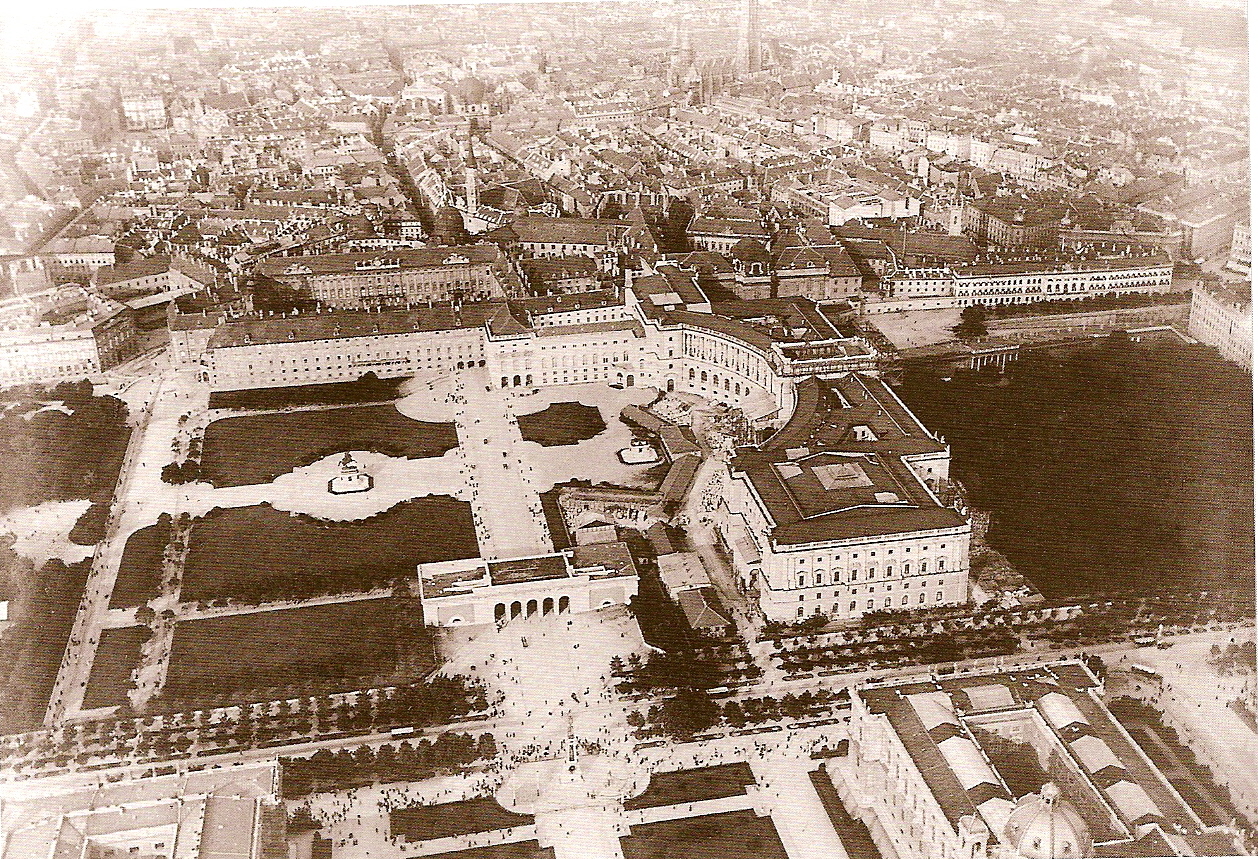
German is the official language of Austria, and it is what cafés, trams, and city offices use in Vienna.
Ordinary lines from this city: the ride, the counter, the food, and the greeting.
Getting around
U-Bahn
Zurückbleiben, bitte.
Stand back, please.
You hear this when the doors close or the next stop is called. It is written down too, so a missed word does not end the ride.
The counter
Kaffeehaus
Einen Melange, bitte.
A melange, please.
This line is a whole order. You do not need a longer sentence.
Food
Bäckerei
Eine Semmel, bitte.
One roll, please.
The order is built in short pieces like this one.
The street
Straße
Grüß Gott.
Hello.
People keep this line short. It is enough for the moment.
In conversation around Innere Stadt, Neubau, Leopoldstadt, you often hear Austrian German. Signs, news, and announcements stay in standard German.
A first day in Vienna can run on four lines: “Zurückbleiben, bitte.”, “Einen Melange, bitte.”, “Eine Semmel, bitte.”, and “Grüß Gott.”. Each one is already a complete moment.
One local word: Melange. It means A melange, please..
Coffee houses serve a melange and cake, and sausage stands sell sausages on the street.
Trams circle the Ring, and the U-Bahn reaches the outer districts.
You linger in a coffee house while trams ring along the Ring outside.
| Phrase | Meaning |
|---|---|
| Hallo | Hello |
| Danke | Thank you |
| Guten Morgen | Good morning |
| Ich heiße… | My name is… |

Choose the language you want to learn. Start in the browser or in the mobile app.
Start learning for freeA shared scale for language level, from beginner to advanced.
CEFR is the Common European Framework of Reference for Languages. A1 and A2 are beginner, B1 and B2 are intermediate, and C1 and C2 are advanced. You choose the level that matches what you already know.